Planning feels easier when you can see the next step. Use this guide as a practical reference, then adapt it to your event, your guests, and your budget.
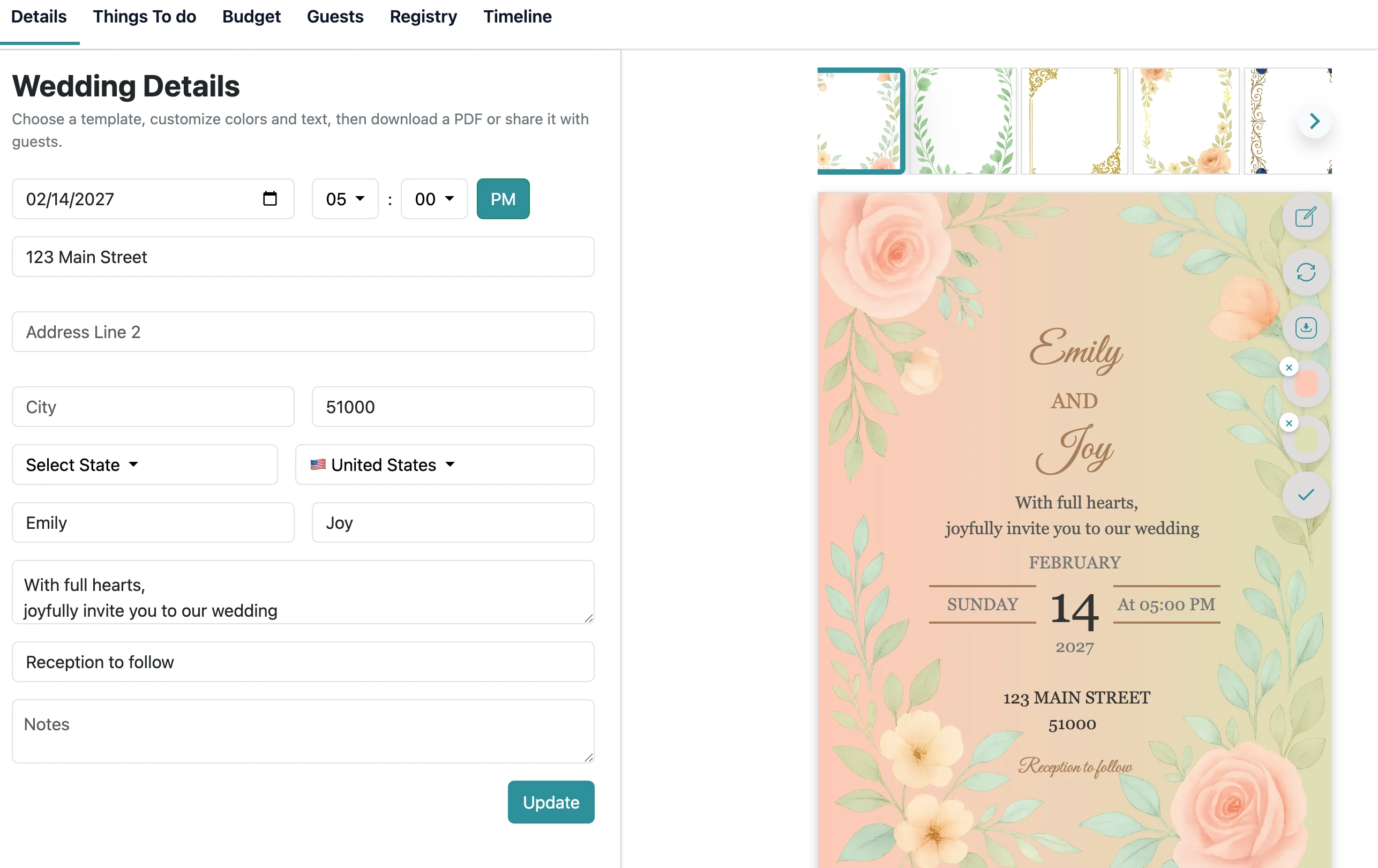
Start with your guest list and addresses
Invitation planning becomes easy when your guest list is accurate. Start by building your guest list early and collecting addresses in one place. Ask for full names, mailing addresses, and email addresses. Confirm plus one rules so you do not need to redo envelopes later.
In the planner, keep your guest records updated as you make decisions. When you have clean guest data, every later step becomes faster.
Practical step: write one clear action you can complete in the next seven days. Then add it to your checklist with a realistic time block. When you finish that one action, planning feels lighter and you can build the next step from real progress.
Decide whether you will send save the dates
Save the dates are helpful when guests may travel or when your date is in a busy season. They can be a card, a postcard, or a digital message. The key is clarity: date, city, and a note that a formal invitation will follow.
If you send save the dates, make sure the information matches what you will later put on the invitation. Consistency builds trust and reduces questions from guests.
Common mistake: trying to decide everything at once. Instead, decide what matters most, confirm that first, and let smaller details follow. If a choice changes your budget or timing, capture it in the planner so you do not rely on memory later.
Choose your invitation format and what you will include
Invitations can be simple and still feel beautiful. Decide whether you will include a details card, how you will collect RSVPs, and whether you need an insert for travel or accommodations. For many couples, a clean invitation plus a website for details is the simplest approach.
If you have a dress code, a weekend schedule, or transportation, place those details where guests can find them easily. Guests should not have to guess.
Decision approach: compare options using the same assumptions. List what is included, what you must add, and what could change the total cost. This keeps decisions fair and prevents surprises when you move from estimates to real bookings.
Set an RSVP deadline that protects your vendors
Your RSVP deadline should give you time to follow up and still meet vendor deadlines. Venues and caterers often need final numbers before the event. Work backward: choose a deadline that leaves time for reminders, meal preferences, and seating planning.
When your RSVP deadline is clear, your guest workflow becomes calm. You can send reminders with confidence because the timeline supports the plan.
Guest friendly check: imagine a guest arriving for the first time. Can they find parking, know where to go, and feel comfortable right away. If any step feels unclear, add one sentence of guidance to your plan and share it with helpers.
Plan your mailing workflow so it does not consume weekends
The labor of invitations is real: printing, assembling, addressing, and mailing. Plan it like a small project. Set one weekend for assembly, one evening for final checks, and a specific mailing date. If you can, divide the work with your partner or a helper.
Consider using printed address labels if handwriting will take too long. You can still add a personal touch with a short note or a careful stamp choice. The goal is a finished product that gets mailed on time.
Momentum tip: finish the small, boring tasks early. Addresses, vendor contacts, and supply lists are not exciting, but they prevent stress later. When those basics are done, you can enjoy the creative parts of planning without last minute pressure.
Write wording that is clear and warm
Invitation wording does not need to be complicated. Guests want to know who, what, when, and where. Keep the language warm and direct. Include ceremony time and location clearly. If reception details differ, include them as well.
If you have special requests, such as an adults only event, be kind and clear. A simple sentence placed in the right spot prevents confusion and avoids awkward conversations.
Practical step: write one clear action you can complete in the next seven days. Then add it to your checklist with a realistic time block. When you finish that one action, planning feels lighter and you can build the next step from real progress.
Follow up politely and keep records accurate
Not everyone responds by the deadline. A polite follow up is normal. Send a short message that includes the RSVP link or instructions and ask for a response by a specific date. Keep the tone friendly and assume they simply forgot.
Update your guest list as responses come in. Track meal preferences and notes that affect seating. Then your seating chart and catering totals will be much easier.
Common mistake: trying to decide everything at once. Instead, decide what matters most, confirm that first, and let smaller details follow. If a choice changes your budget or timing, capture it in the planner so you do not rely on memory later.
Connect invitations to your checklist and timeline
Add each invitation step to your checklist: finalize guest list, collect addresses, design, order, assemble, mail, and follow up. Then add key dates to your timeline, such as when you plan to mail and when RSVPs are due.
When invitations are planned, you protect your later planning work. You will have the guest information you need to build a smooth seating chart and a calm final week.
Decision approach: compare options using the same assumptions. List what is included, what you must add, and what could change the total cost. This keeps decisions fair and prevents surprises when you move from estimates to real bookings.
Related wedding planning guides
Keep your plan connected. These guides work together (checklist → budget → timeline → guests).
FAQs
Real questions people search while planning. Use these answers to make decisions faster.
When do you send save the dates?
When should wedding invitations be sent?
What should the RSVP deadline be?
How do I get guests to RSVP on time?
Should we include registry info on the invitation?
Do we need separate ceremony and reception cards?
How early should we order invitations?
What if we have a B-list?
Next steps
Pick one action you can complete today. Small progress makes planning feel lighter.