Planning feels easier when you can see the next step. Use this guide as a practical reference, then adapt it to your event, your guests, and your budget.
Start with a single source of truth
Guest lists get messy when they live in multiple places. Choose one place where the guest list is managed and updated. Then treat everything else as a copy. This prevents confusion when addresses change or plus ones are added.
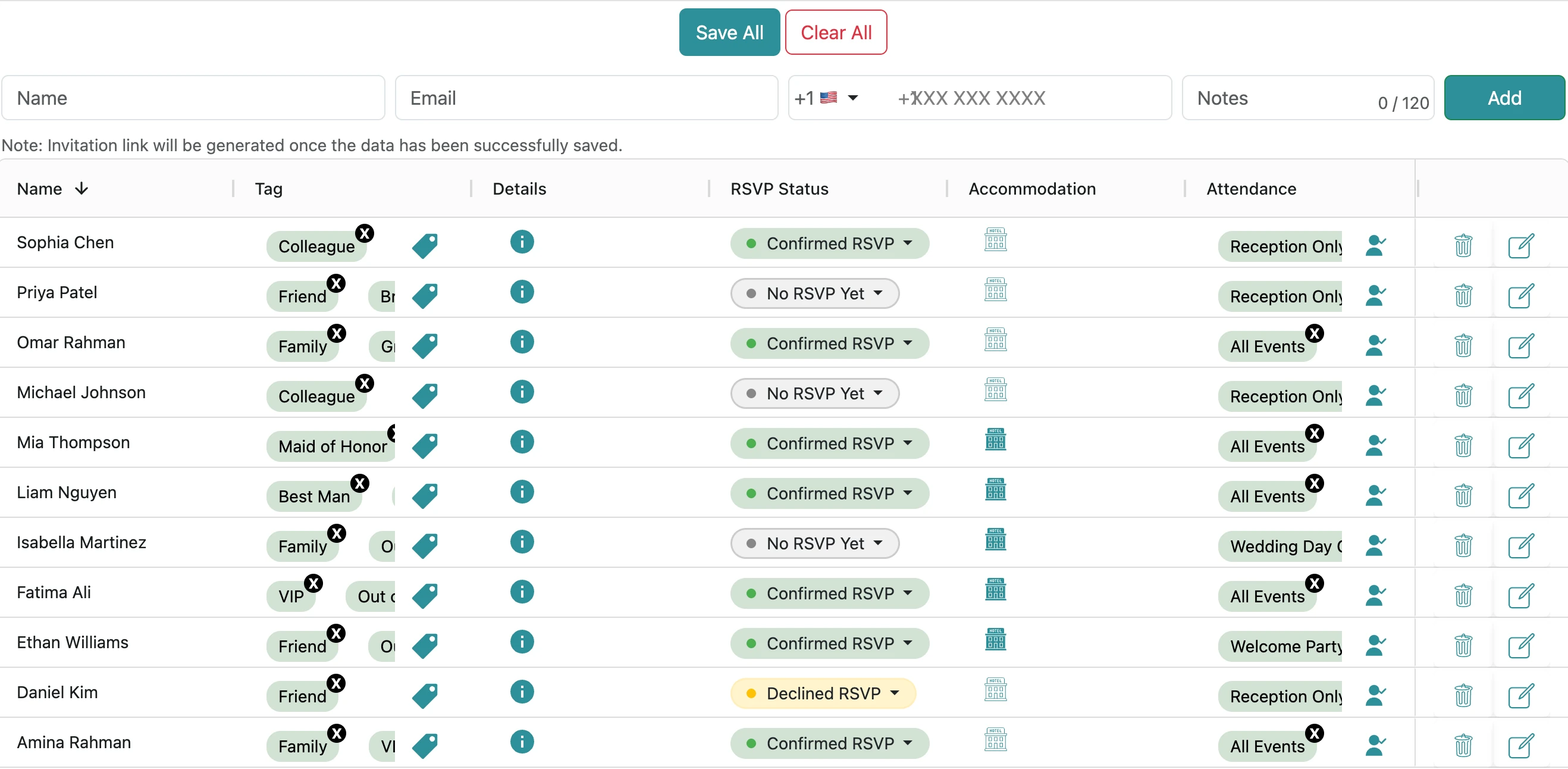
In the planner, keep each guest record complete: name, contact method, mailing address if needed, and any notes like meal preferences. A complete record saves time later.
Practical step: write one clear action you can complete in the next seven days. Then add it to your checklist with a realistic time block. When you finish that one action, planning feels lighter and you can build the next step from real progress.
Define your invitation rules early
Most guest list stress comes from unclear rules. Decide early how you will handle plus ones, children, and out of town guests. If you and your partner agree on rules, decisions become consistent and you avoid repeated debates.
Write your rules down and share them with anyone helping you, such as parents. Clear rules are kind because they reduce misunderstandings.
Common mistake: trying to decide everything at once. Instead, decide what matters most, confirm that first, and let smaller details follow. If a choice changes your budget or timing, capture it in the planner so you do not rely on memory later.
Collect contact details in a structured way
Collecting addresses can be tedious unless you use a clear method. Ask guests for their full mailing address in one message. If you are using digital invitations, still collect email addresses and phone numbers so you can send reminders.
Ask for preferred names as well. Using the name a guest actually uses is a simple way to make invitations feel thoughtful.
Decision approach: compare options using the same assumptions. List what is included, what you must add, and what could change the total cost. This keeps decisions fair and prevents surprises when you move from estimates to real bookings.
Set an RSVP deadline that works for vendors
Your RSVP deadline should be chosen with vendor deadlines in mind. Caterers and venues need final numbers by a certain date. Work backward and give yourself a buffer for follow ups.
Once the deadline is set, communicate it clearly on the invitation and on your website. Guests respond faster when expectations are clear.
Guest friendly check: imagine a guest arriving for the first time. Can they find parking, know where to go, and feel comfortable right away. If any step feels unclear, add one sentence of guidance to your plan and share it with helpers.
Follow up politely and keep your list accurate
Follow ups are normal. A simple message works: a friendly reminder, the RSVP link, and a request for a response by a specific date. Most guests are not ignoring you. They simply forgot.
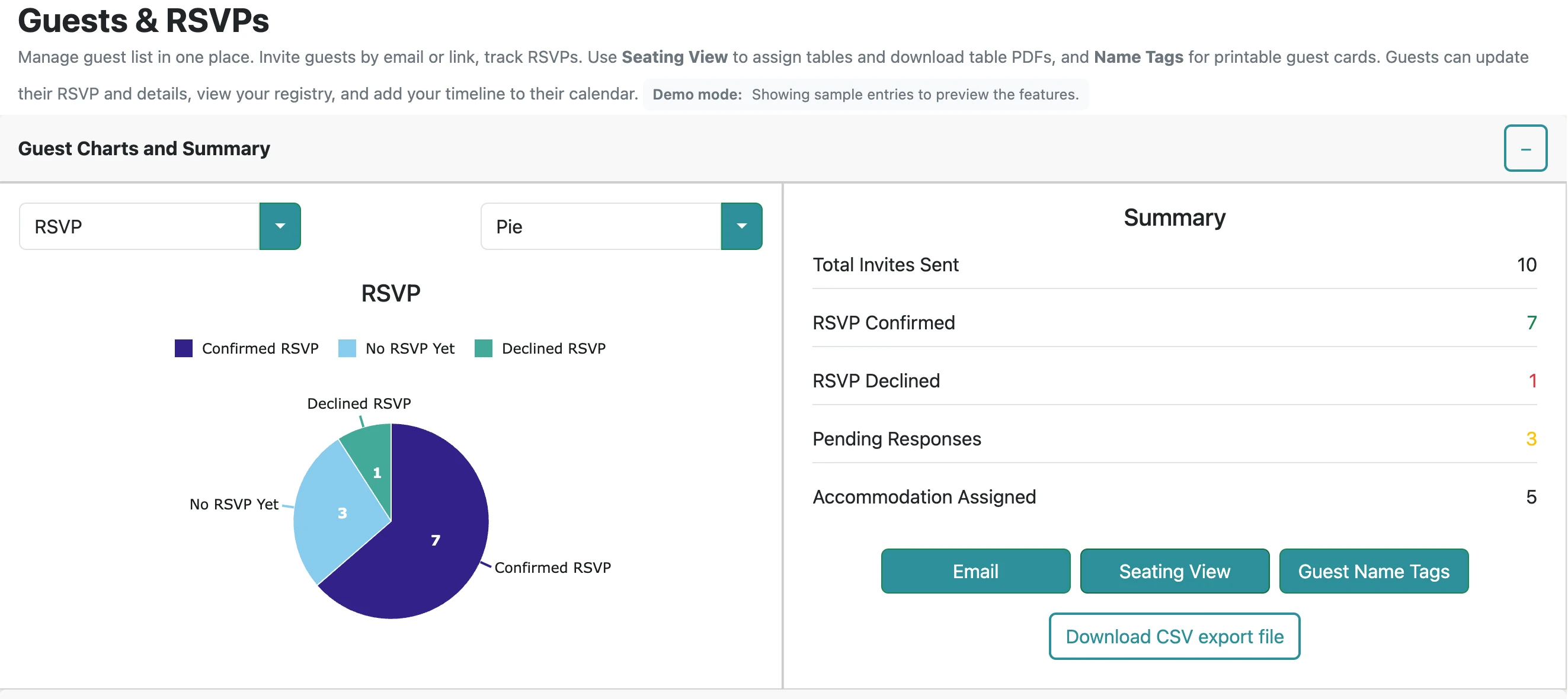
When you receive a response, update the record right away. This keeps your list current and makes seating and meal planning easier.
Momentum tip: finish the small, boring tasks early. Addresses, vendor contacts, and supply lists are not exciting, but they prevent stress later. When those basics are done, you can enjoy the creative parts of planning without last minute pressure.
Track special details that affect planning
Some guest details affect logistics: dietary restrictions, accessibility needs, and travel plans. Track these in notes so you can plan seating and menu choices with care.
If you are hosting multiple events, such as a rehearsal dinner or a shower, track which guests are invited to which event. This prevents awkward confusion later.
Practical step: write one clear action you can complete in the next seven days. Then add it to your checklist with a realistic time block. When you finish that one action, planning feels lighter and you can build the next step from real progress.
Use your guest list to protect your budget
Guest count changes your budget. When you add guests, check the cost impact on food, drinks, rentals, and invitations. Seeing the impact helps you make decisions with calm instead of reacting later.
A clean guest list also helps you avoid over ordering. When you trust your numbers, you can place orders confidently.
Common mistake: trying to decide everything at once. Instead, decide what matters most, confirm that first, and let smaller details follow. If a choice changes your budget or timing, capture it in the planner so you do not rely on memory later.
Make RSVP information easy on the event day
Even on the event day, your guest list can help. It can support check in, seating questions, and last minute changes. Keep a simple printed list or an accessible view for your point person.
A well managed guest list is not glamorous, but it is one of the biggest drivers of a smooth event.
Decision approach: compare options using the same assumptions. List what is included, what you must add, and what could change the total cost. This keeps decisions fair and prevents surprises when you move from estimates to real bookings.
Related wedding planning guides
Keep your plan connected. These guides work together (checklist → budget → timeline → guests).
FAQs
Real questions people search while planning. Use these answers to make decisions faster.
How do I start a wedding guest list?
How do plus-ones work for wedding invitations?
When should RSVPs be due?
How do I remind guests to RSVP?
How do I track meal choices with RSVPs?
What if guests RSVP yes and then cancel?
How do I build a seating chart from the guest list?
What’s the easiest way to share the guest list with family?
Next steps
Pick one action you can complete today. Small progress makes planning feel lighter.