Planning feels easier when you can see the next step. Use this guide as a practical reference, then adapt it to your event, your guests, and your budget.
Start with priorities, not categories
Before you open a spreadsheet or pick a venue, decide what matters most to you and your partner. A budget is not just a list of costs. It is a plan that protects the parts of the day you care about. Choose three priorities that you will fund first. Examples could be photography, food, or a comfortable venue. Then choose three areas where you will gladly keep things simple. That trade off is what keeps the total realistic.
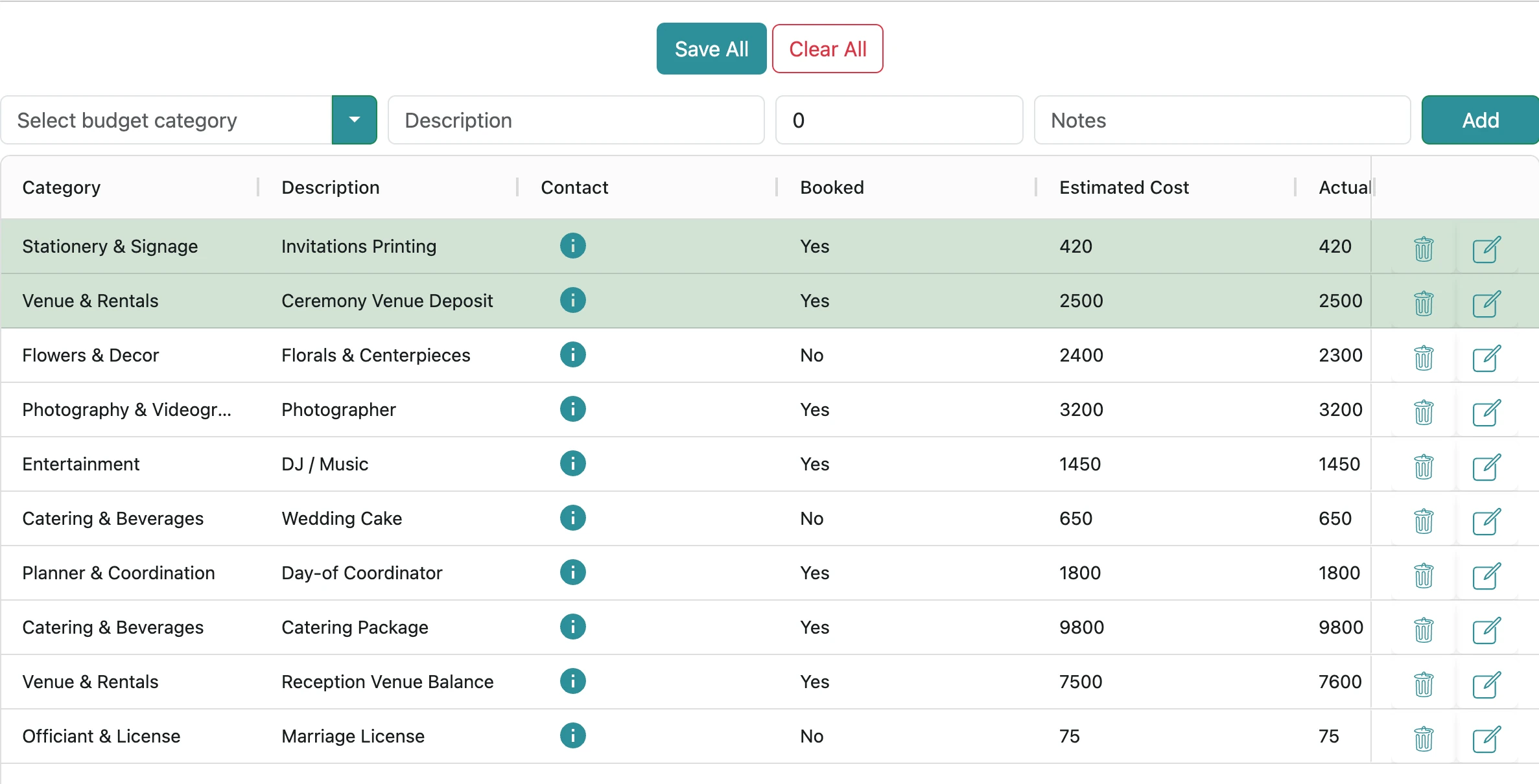
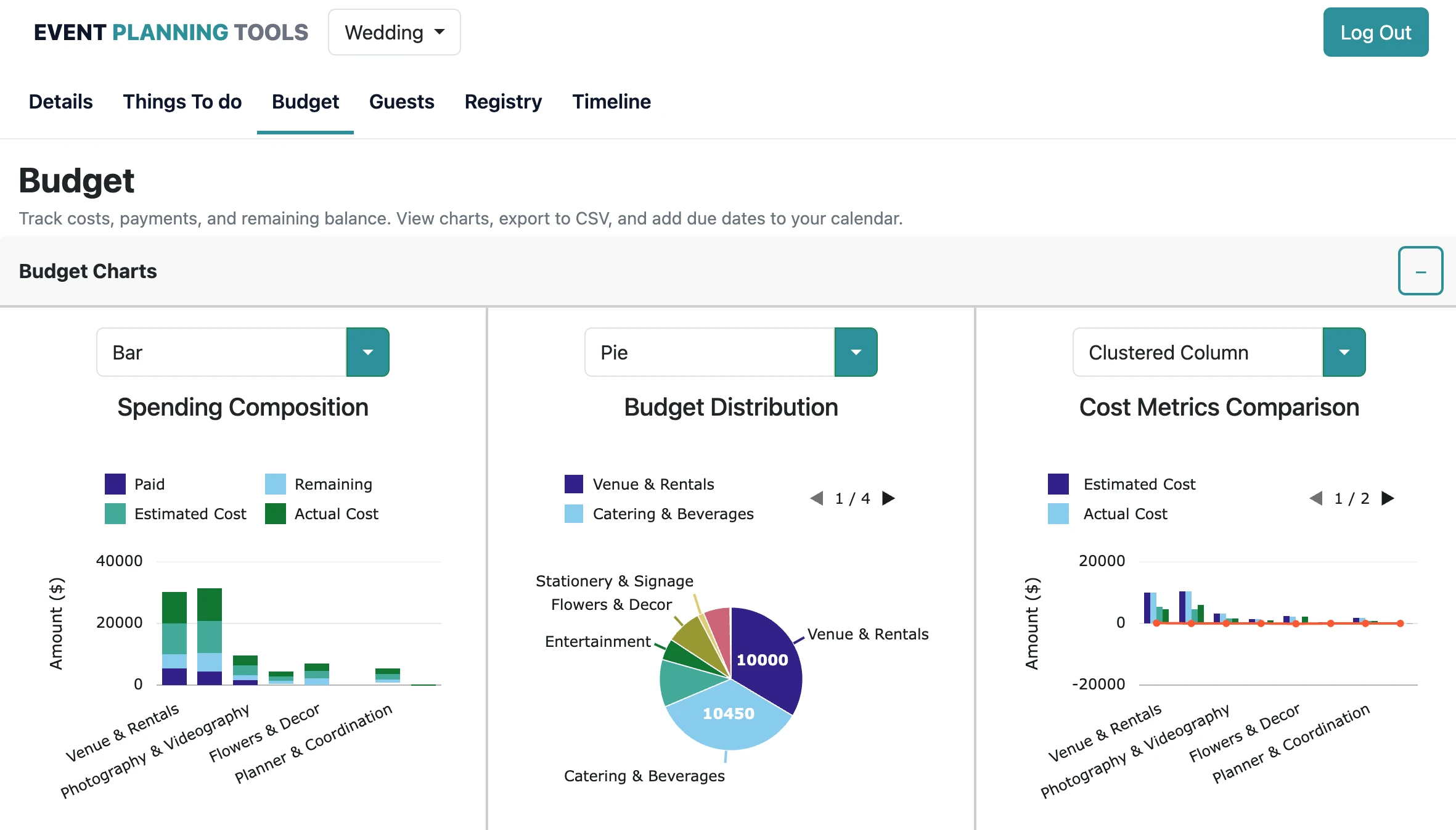
When you use the planner, begin with the Budget tab and enter a few early estimates with notes. You are not locking anything in. You are creating a clear starting point so every quote has context. A good budget feels boring in a good way because it gives you fewer surprises.
Practical step: write one clear action you can complete in the next seven days. Then add it to your checklist with a realistic time block. When you finish that one action, planning feels lighter and you can build the next step from real progress.
Use a simple structure that matches how vendors bill
Many couples get stuck because they split the budget into too many tiny categories. Vendors do not bill that way. They bill with a deposit, a schedule of payments, and a final balance. Build your budget around major vendors and major moments: venue, catering, bar, photography, music, attire, florals, stationery, rentals, and ceremony items.
For each line, track four numbers: an estimate, the quoted amount, what you have paid, and what remains. Add the due date for the next payment. This mirrors how contracts work and it makes your cash flow clear. If you can see the next payment and the final payment, you can plan confidently.
Common mistake: trying to decide everything at once. Instead, decide what matters most, confirm that first, and let smaller details follow. If a choice changes your budget or timing, capture it in the planner so you do not rely on memory later.
Plan for taxes, service fees, and small extras that add up
The most common reason a wedding budget breaks is not one big surprise. It is a series of small extras: sales tax, service fees, gratuity, delivery, setup, cleanup, overtime, and last minute add ons. When you receive a quote, ask for a full total that includes all fees and taxes. If a vendor cannot provide that, note it and build a buffer in that line item.
A reliable approach is to keep a contingency fund that you do not touch early. Many couples aim for a buffer that covers fees and small changes. You do not need to guess perfectly. You just need to protect yourself so a small change does not force a stressful cut elsewhere.
Decision approach: compare options using the same assumptions. List what is included, what you must add, and what could change the total cost. This keeps decisions fair and prevents surprises when you move from estimates to real bookings.
Decide your guest count range early and protect it
Guest count drives the biggest costs: food, beverage, rentals, invitations, and sometimes the venue itself. If you are unsure, set a range instead of a single number. For example, plan for a minimum and a comfortable maximum. In the planner, keep your guest list updated so your budget stays aligned with reality.
When you add guests, watch the costs that change per person. If you can see the total impact of ten extra guests, you can make a decision calmly. This is also a good place to set a clear rule for plus ones and children so the count does not drift upward without a plan.
Guest friendly check: imagine a guest arriving for the first time. Can they find parking, know where to go, and feel comfortable right away. If any step feels unclear, add one sentence of guidance to your plan and share it with helpers.
Compare quotes fairly and avoid false savings
When you compare vendors, compare the full value, not only the headline price. Two quotes that look similar can be very different once you include hours of coverage, staff, travel, setup, or what is included in the package. Write your comparison notes directly next to the line item. That way you do not have to rely on memory when you are making the final call.
Be careful with savings that create risk. For example, skipping a coordinator can look like a savings, but it may create stress and overtime charges if the day runs late. If you do choose a simpler option, balance it with a plan, like a clear timeline and assigned helpers.
Momentum tip: finish the small, boring tasks early. Addresses, vendor contacts, and supply lists are not exciting, but they prevent stress later. When those basics are done, you can enjoy the creative parts of planning without last minute pressure.
Build a payment calendar so you always know what is next
A wedding budget is also a schedule. Deposits often happen early, with a larger payment closer to the wedding date. Put due dates in your planner and review them weekly. If you know what is due in the next two weeks, you will not miss a deadline and you can avoid rush fees.
If you are paying with multiple sources, such as personal savings and family contributions, keep notes on who is paying which line item. The goal is clarity, not complexity. One simple note per item is enough to prevent confusion later.
Practical step: write one clear action you can complete in the next seven days. Then add it to your checklist with a realistic time block. When you finish that one action, planning feels lighter and you can build the next step from real progress.
Keep your budget flexible and review it in short weekly sessions
You do not need to adjust your budget every day. A short weekly check is enough. Review any new quotes, update paid amounts, and confirm the next payment due. This takes ten minutes, but it prevents expensive surprises.
When something changes, make one deliberate adjustment. If you increase one category, decide what will decrease. This keeps the total under control and it makes trade offs feel intentional rather than reactive.
Common mistake: trying to decide everything at once. Instead, decide what matters most, confirm that first, and let smaller details follow. If a choice changes your budget or timing, capture it in the planner so you do not rely on memory later.
Next steps that keep everything connected
After your budget is stable, use the Checklist tab to schedule the next actions: request quotes, sign contracts, and confirm delivery details. Then use the Timeline tab to map key moments like vendor arrival times, ceremony start, photo sessions, and the reception flow.
A budget works best when it is connected to decisions. When you use the planner like a single source of truth, you spend less time searching for details and more time enjoying the process.
Decision approach: compare options using the same assumptions. List what is included, what you must add, and what could change the total cost. This keeps decisions fair and prevents surprises when you move from estimates to real bookings.
Related wedding planning guides
Keep your plan connected. These guides work together (checklist → budget → timeline → guests).
FAQs
Real questions people search while planning. Use these answers to make decisions faster.
What is a typical wedding budget breakdown by percentage?
How much buffer should I add to my wedding budget?
What wedding budget categories are easiest to reduce?
How do I budget when family is paying for part of the wedding?
Should I track deposits separately from totals?
How do I budget for taxes and service fees?
What if my guest count changes after I set the budget?
What’s the simplest way to stay on budget during planning?
Next steps
Pick one action you can complete today. Small progress makes planning feel lighter.